
GLP-1 Users: Has Anhedonia Made You Numb to the Numbness?
- Dr. Zachary Laboube

- Aug 13
- 5 min read
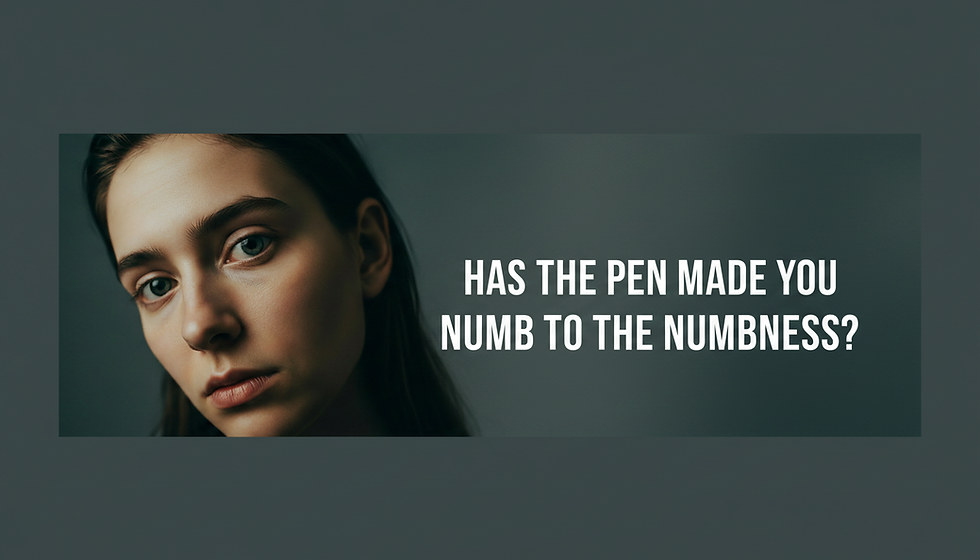
Starting a GLP-1 medication can feel like a breakthrough for many. The promise of reduced appetite and weight loss is compelling. Yet, some users find themselves quitting just two to three weeks in. The reason often isn’t physical side effects alone—it’s a strange feeling of numbness, a loss of pleasure in eating and life itself. This numbness is called anhedonia, and it’s more than just a side effect. It’s a warning sign that deserves attention.
My Experience with Ozempic
Truth be told, I've never used Ozempic. Nor have I used Wegovy or Zepbound, Mounjaro, etc. But I do have first hand experience with many that do because they're members of my private Facebook group which is focused on weight loss and wellness.
When several members of my own family decided to trade my HCG 2.0 protocol for Ozempic, my experience was now personal. I didn't take it personally... well, maybe a little. To be fair, the weight started coming off. They had successfully used HCG 2.0 in the past and simply wanted to try something different. And before anyone starts throwing around the term "yo-yo dieting," let me say this: gaining a few pounds over the winter doesn't make you a yo-yo dieter. If you know how to lose it and keep your metabolic health intact, that's called living life.
About a month into treatment, however, they all described something I wasn't expecting. They weren't nauseated or particularly sick—they just didn't feel like themselves. They felt tired, unmotivated, and emotionally flat. My cousin Christa summed it up perfectly: "I don't like food, but I don't like anything. It's no way to live." That conversation sent me down a rabbit hole into one of the lesser-known effects of GLP-1 medications: anhedonia—the loss of pleasure, motivation, and enthusiasm that, for some users, can become so gradual they don't even realize it's happening.
I especially like ending with Christa's quote because it's memorable and naturally leads into the rest of the article. It feels like the kind of opening that makes readers think, "Wait... that's exactly how I've been feeling."
What Is Anhedonia and Why Does It Matter?
Anhedonia means losing the ability to feel pleasure. For GLP-1 users, this often shows up as a dulling of appetite and enjoyment of food. But it can go beyond that. Food is not just fuel; it’s a social glue. It connects us to family, friends, and culture. When the joy of eating fades, so can the joy of gathering, celebrating, and sharing moments.
People on GLP-1 medications sometimes describe feeling “numb” to the tastes and textures they once loved. This numbness can extend to other areas of life, making social interactions less appealing and routines feel empty. The medication suppresses hunger signals, but it may also mute the emotional signals tied to food and social connection.
How to Recognize If You’ve Become Numb to the Numbness
It’s easy to get used to feeling less hungry and less interested in food. But how do you know if you’ve crossed into anhedonia? Ask yourself:
Has your family or close friends noticed changes in your behavior?
Has your daily routine shifted away from social meals or gatherings?
Are you avoiding events or conversations that used to bring you joy?
Do you find yourself eating alone more often or skipping meals without thought?
Are you less interested in flavors, textures, or the experience of eating?
If you answer yes to any of these, it’s worth pausing to reflect. Food is one of the most human, social, and pleasurable parts of life. Losing that connection is not just about appetite—it’s about the texture of living.
Why Food Is More Than Just Eating
The kitchen is often the most popular room in the house. That’s not because of the appliances or cabinetry. It’s because food is social. It’s where people gather to celebrate, gossip, reconnect, and mark important moments. Meals are a form of communication and bonding.
When a medication mutes not only hunger but also your capacity to enjoy these moments, it changes your life in ways that go beyond weight loss or blood sugar control. It affects your relationships and your emotional well-being.
The Body’s Adaptation and the Risk of Overriding Evolution
GLP-1 medications work by mimicking hormones that regulate appetite. This artificial signal can be powerful, but the body adapts to what it receives. Human eating behavior evolved over millions of years to balance energy needs with social and emotional cues. Trying to override this complex system with a weekly injection is not without consequences.
The effects of these medications may not be fully visible while you are taking them. But once the medication stops, the body’s response can be unpredictable. This is why it is critical to use the period of reduced appetite wisely.
Using the Window to Rebuild Healthy Eating Habits
The early weeks on GLP-1 medications create a unique opportunity. Appetite is lower, resistance to change is reduced, and progress can be measured. This window is your chance to:
Rebuild your eating habits around real, nourishing foods
Retrain your palate to enjoy natural flavors without added sugars or artificial ingredients
Strengthen your relationship with food as a social and pleasurable experience
Prepare for the day when the medication is no longer part of your routine
Ignoring this window risks losing more than weight. It risks losing the joy and connection that food brings.

Practical Tips to Stay Connected to Food and Life
Plan social meals: Schedule regular meals with family or friends, even if your appetite is low. Focus on the experience, not just the food.
Explore flavors: Try new herbs, spices, and cooking methods to keep your palate engaged.
Mindful eating: Pay attention to textures, smells, and tastes. Slow down and savor each bite.
Communicate: Talk with loved ones about how you feel. They can help notice changes you might miss.
Balance medication with lifestyle: Use the medication as a tool, not a crutch. Work with a nutritionist or healthcare provider to build sustainable habits.

Final Thoughts
GLP-1 medications offer real benefits for many people, but they come with hidden costs. The numbness that some users experience is a signal that the medication is affecting more than appetite—it’s affecting the way you live. Recognizing anhedonia and staying connected to food’s social and emotional role is essential.
Use the window of reduced appetite to rebuild your habits and relationships with food. This will help you maintain progress and enjoy life’s flavors long after the medication is gone.
Your body and your life deserve more than numbness. They deserve richness, connection, and joy.


Comments